
Sleep coaching for older kids: Why it looks different to sleep coaching a baby or toddler
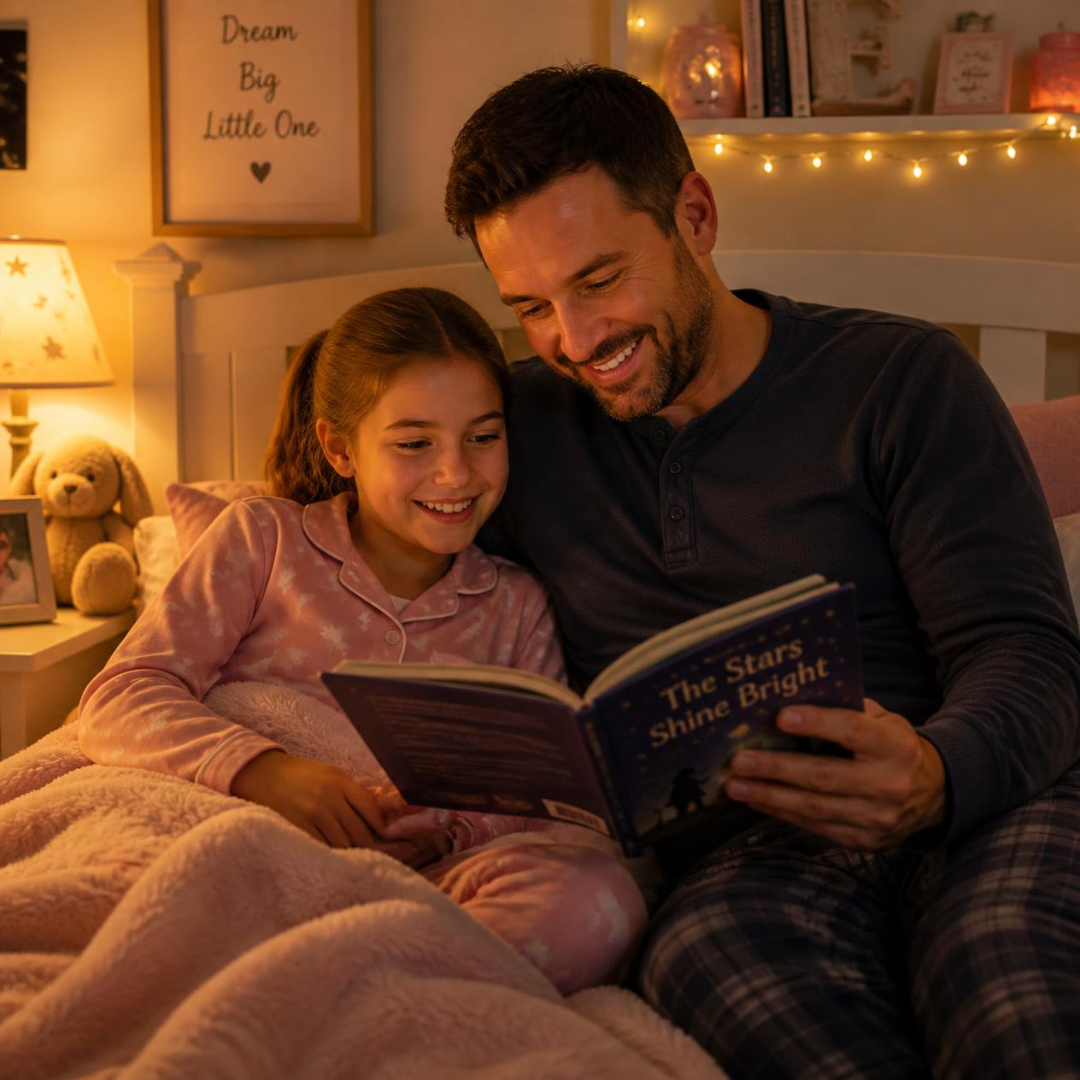
Sleep coaching older children, ages 3 through 10, works, but it works quite differently to sleep training a baby. If you're here to understand what those differences are before you take the next step, this post has got you covered!
Most of the families who contact me have often already tried to change things.
They’ve often followed sleep advice that worked when their child was younger but doesn't seem to work anymore. Or they’ve tried and failed with so many different strategies that they think nothing will work, or they’ve been given advice, but it just didn’t seem to fit their family dynamic or child’s temperament.
If that sounds familiar, the problem most likely isn’t that your child is too old, too stubborn, too anxious or simply a "bad sleeper". It’s most likely that sleep coaching for older kids requires a completely different approach that you haven’t tried yet.
Why sleep coaching for older kids is different to sleep coaching babies and toddlers
As children get older, sleep becomes more about emotions, confidence, habits and relationships.
By the age of 5 to 10, children become much more aware of the world around them. They compare themselves to friends, worry about school trips and sleepovers, develop fears and anxieties, and have strong opinions about how they want things done.
They also know when someone is trying to change something that has been part of their life for years. This means that trying to force sleep changes often creates more resistance.
Sleep coaching for older kids isn't about finding the right technique and expecting your child to follow it. They need to understand what is changing, feel involved in the process and have some control over how you get there.
After working with hundreds of families, one thing I've learned is that changing sleep takes time. There are very few quick fixes when you're supporting a 6, 8 or 10 year old. The families who see the biggest changes are rarely the ones with the perfect plan. They're the ones who stay calm, stay consistent and trust the process long enough for confidence to grow.
Why sleep coaching for 3 to 10 year olds requires more child involvement
Older children need more involvement in sleep coaching because they have stronger opinions, a greater need for control and a much clearer understanding of the changes you're asking them to make.
I often get told by parents that their child is too stubborn, but what this usually means is a child who needs more involvement in the process.
I once worked with a mum who described her 4½ year old as "the most stubborn child in the world." Bedtime was taking over two hours. There was shouting, multiple wake ups and huge power struggles every evening.
When we looked at what had changed, the sleep struggles had started shortly after a new baby arrived and she started school. What looked like stubbornness was actually a child struggling with two huge life changes and trying to regain some control.
We initially used a gradual retreat approach because it seemed she was craving more connection after school and the arrival of her sibling. At times this worked beautifully. At other times, having mum in the room but not responding to every request made her even more frustrated.
So, we adapted the plan and gave her daughter some different options. As a result, we moved to a checking-in method that reduced stimulation, streamlined the bedtime routine and kept mum's response calm and consistent.
Once we started working with the child rather than against her, things began to improve. That's why sleep coaching for older kids works best when it is done with them, not to them. Giving your child some control doesn't mean letting them decide whether they go to bed. It means involving them in the process, whether that's helping to choose the steps in their sleep plan, deciding which goal they want to work towards first or choosing small rewards along the way.
If bedtime has become the most stressful part of your day, my Navigating Bedtime Battles guide walks you through the same kind of practical changes, from adjusting the bedtime routine to choosing an approach that works for your child.
Why anxiety makes sleep coaching older kids different from sleep coaching babies
Anxiety often becomes more common as children get older, particularly in children aged 8 to 10. Younger children tend to worry about monsters and the dark, while older children are more likely to worry about burglars, intruders, school pressures or something happening to their family.
One of the most anxious children I've worked with was a 10 year old who was terrified of being alone at bedtime. At first, she didn't want to make any changes at all. So, instead of jumping straight into a sleep plan, we started by talking about what she wanted life to look like. She really wanted to be able to go on sleepovers and school trips, so we used this aspiration for more independence as her motivation.
We spent time helping her understand her worries and built up her toolbox of coping strategies before we started to work on any changes to her sleep. Then we created a gradual step-by-step plan together.
It took a couple of months, and there were setbacks along the way where her mum needed to offer extra comfort. But by the end of our work together, she was falling asleep independently with simple check-ins and sleeping through the night. A couple of months later, her mum messaged me to tell me she'd had her very first sleepover at her grandparents' house.
That journey would have looked completely different if she had been two years old. She was old enough to understand why we were making changes and was able to be a part of making the plan together, so she never felt overwhelmed.
If your child’s anxiety at bedtime is starting to cause issues for sleep, my guide to Supporting your anxious child at bedtime has got you covered with a steady step-by-step approach that builds their confidence and resilience in a gradual way.
Why sleep problems in older kids need an individual approach
When working with older children, sleep coaching becomes more flexible and tailored to the individual child and family. Some families want their child to sleep independently all night. Others simply want bedtime to stop taking two hours. Some are completely happy for their child to come into their bed overnight but would love an evening to themselves first.
A couple of months ago, I worked with a family whose son was falling asleep with his mum every night. Mum would often fall asleep too, which meant she and her husband were missing out on their evenings together.
They initially came to me wanting help with co-sleeping, but when we dug deeper, they were actually happy for their son to come into their bed during the night. The real issue was bedtime.
So rather than focusing on the night wakes, we focused solely on helping him fall asleep with less parental input at bedtime. We adjusted the bedtime routine, moved bedtime slightly earlier so he wasn't falling asleep so quickly, and introduced a checking-in method that helped him feel safe while building confidence in falling asleep alone.
Once bedtime was sorted, the family felt they had achieved exactly what they wanted. Their son was still welcome in their bed overnight, but mum and dad had their evenings back.
This is a key difference when sleep coaching older kids. It's not always about changing everything. It's about identifying which part of sleep is no longer working and focusing your energy there.
If co sleeping is no longer working for your family, my Easing Away from Co Sleeping guide will help you work out what you want to change and create a gradual plan that works for your child.
Why sleep coaching hasn't worked before
One of the most common things I hear from parents is, "We've tried everything."
When we dig deeper, they’ve usually tried lots of different approaches without having a clear plan or giving enough time for one approach to work.
Older children need an approach that takes into account their personality, emotions, need for control, confidence levels and motivation for change. When sleep coaching is tailored to your child's age and temperament, progress often feels much more achievable.
Another key aspect is the pace. When you're helping an older child sleep independently, you're often changing habits that have existed for years. Most families should expect gradual progress over several weeks rather than dramatic changes in a few days.
What is the best approach to sleep coaching for older kids?
The most important thing to remember is that sleep coaching for older kids isn't about finding one perfect technique. It's about understanding your child, involving them in the process and having a clear plan that you can follow consistently.
For some families, a step-by-step guide is enough to help them make those changes. Others need more personalised support, particularly when they've already tried several approaches without success or just feel like they’d be more consistent if they had someone cheering them on from their phone!
If that sounds like you, then you can find out more about my 1:1 support. We'll look at what's actually happening with your child's sleep and create a plan that works for your child, your family and what you want sleep to look like.
-
No. Children are never too old to learn new sleep skills.
I regularly support families with children aged 3 to 10 years old who are struggling with bedtime battles, anxiety at bedtime, frequent night waking or co sleeping.
-
There is no evidence that responsive, attachment focused sleep coaching damages the parent-child relationship.
Attachment is built through thousands of everyday interactions, including responding to your child's needs, spending quality time together, offering comfort when they are upset and helping them feel safe.
-
Most families I speak to have usually tried lots of different approaches without having a clear plan or enough time for one approach to work.
Older children often need several weeks of consistent support before confidence starts to build.